Reward Cascade Dynamics: Sequential Deposits Powering Multipliers and Dealer Access in Player Networks
Written by Felix Meier · Oct 15, 2026

Reward Cascade Dynamics: Sequential Deposits Powering Multipliers and Dealer Access in Player Networks
Data from networked gaming platforms in October 2026 shows that sequential deposits often function as entry points into tiered reward structures where each funding action contributes to multiplier layers and live table qualifications, and operators track these patterns through centralized player profiles that link slot activity with dealer sessions. Research from the American Gaming Association indicates contribution rates typically range between 1 and 5 percent of each deposit amount toward progressive pools, while those pools in turn determine when layered multipliers become active during reel sequences.
Operators structure these systems so that an initial deposit unlocks base spin enhancements, yet a follow-up transaction within a set window activates additional layers that compound values across both mobile and desktop interfaces. Figures from industry reports reveal that players who complete three or more deposits in a 30-day cycle gain eligibility for dealer table entries where live sessions incorporate the accumulated multipliers from earlier slot play.
Mechanics of Deposit Sequencing
Integrated networks record each deposit as a milestone event that feeds into algorithms calculating spin multipliers based on cumulative values rather than isolated transactions, and this approach allows platforms to synchronize rewards between slot engines and live dealer modules without requiring separate logins. According to data compiled by the University of Nevada Gaming Research Center, contribution percentages to jackpot seeds vary by jurisdiction but commonly sit at 0.5 to 2 percent per wager, which then influences how quickly layered multipliers reach trigger thresholds during subsequent play sessions.
Systems flag sequential patterns when deposits occur at consistent intervals, triggering automatic enrollment into dealer table queues where entry requirements include verified funding history and accumulated spin credits. Observers note that these linkages reduce fragmentation across player accounts while maintaining separate ledgers for slot multipliers and live table access privileges.
Multiplier Layer Activation Pathways
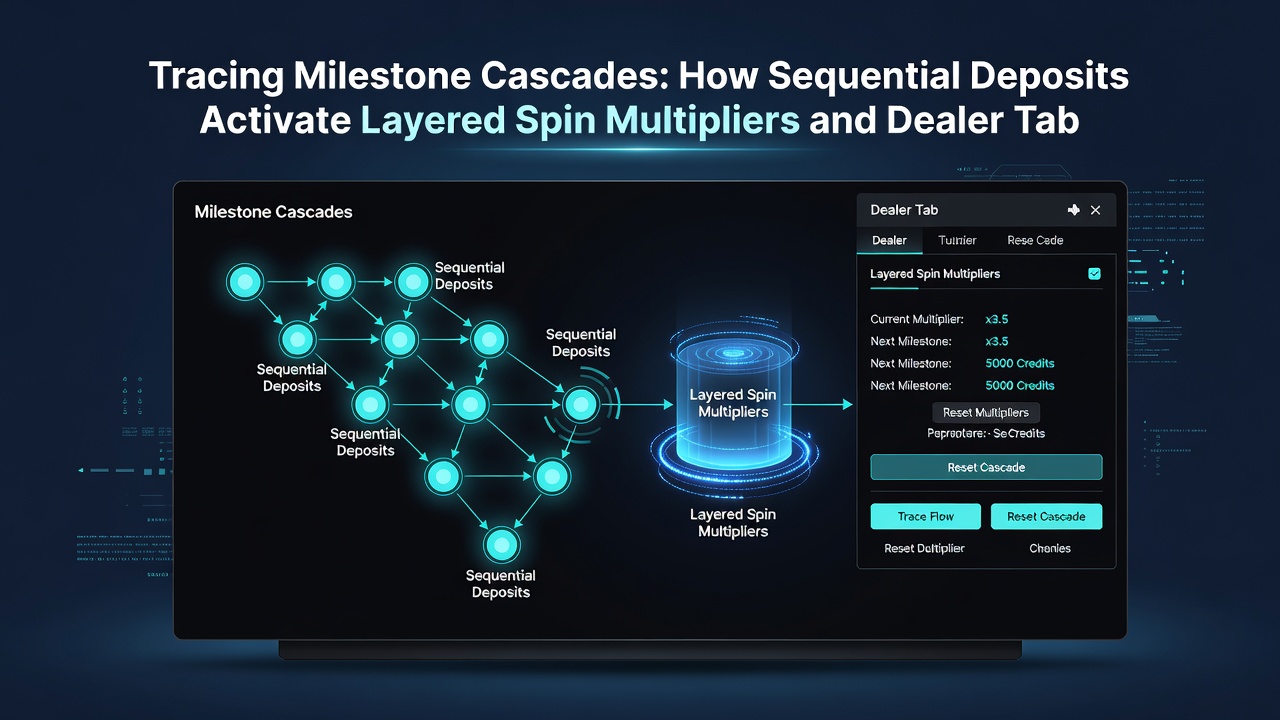
Layered multipliers activate when deposit sequences meet predefined thresholds, such as reaching a combined total within seven days, and the resulting values apply across both free spin rounds and live dealer wagers once table entry occurs. Reports from the Canadian Gaming Association highlight that platforms using unified ledgers see higher retention rates because multipliers earned on slots transfer directly to blackjack or roulette sessions without manual conversion steps.
One documented pattern shows a first deposit of 50 units generating a 2x multiplier on initial spins, while a second deposit of equal size within 48 hours stacks an additional 3x layer that remains active during dealer table participation. These mechanics rely on real-time synchronization protocols that update player status across slot and live environments simultaneously.
Integration Across Player Networks
Player networks maintain cross-platform profiles that aggregate deposit data from multiple channels, allowing sequential actions on mobile apps to influence desktop dealer table availability and vice versa. Studies conducted by the European Gaming and Betting Association in 2026 demonstrate that such integration supports consistent reward delivery, with multipliers calculated on total network activity rather than isolated device usage.
Networks also enforce time-based rules where deposits spaced more than 14 days apart reset partial layers, encouraging regular funding cycles that sustain both spin enhancements and table entry queues. This structure appears in systems deployed across regulated markets in North America and Europe, where compliance logs track every milestone to verify fair multiplier application.
Dealer Table Entry Criteria
Entry to dealer tables within these networks requires verification of sequential deposit milestones plus a minimum spin volume completed under active multipliers, and platforms automate this process through API connections between slot servers and live game studios. Data compiled by the Australian Communications and Media Authority shows that integrated systems achieve faster table assignments when player profiles already contain layered multiplier credits from prior deposits.
Tables often display real-time multiplier values pulled directly from the network ledger, ensuring that rewards earned through deposit sequences apply uniformly whether the session involves reels or cards. Those managing the platforms update eligibility rules quarterly to reflect changes in contribution rates and jurisdictional requirements.
Conclusion
Sequential deposit mechanisms continue to shape how multipliers and dealer access function within unified gaming networks, with October 2026 figures confirming sustained use of milestone tracking across major operators. These systems rely on precise contribution calculations, time-window rules, and cross-platform synchronization to deliver layered rewards without manual intervention. Regulatory bodies and research institutions document the technical frameworks that support such integration while maintaining separate accounting for slot and live components.