Coordinating Payment Processing Rates with Loyalty Thresholds in Reel and Live Dealer Ecosystems
Written by Sage Lang · Aug 21, 2026
Coordinating Payment Processing Rates with Loyalty Thresholds in Reel and Live Dealer Ecosystems
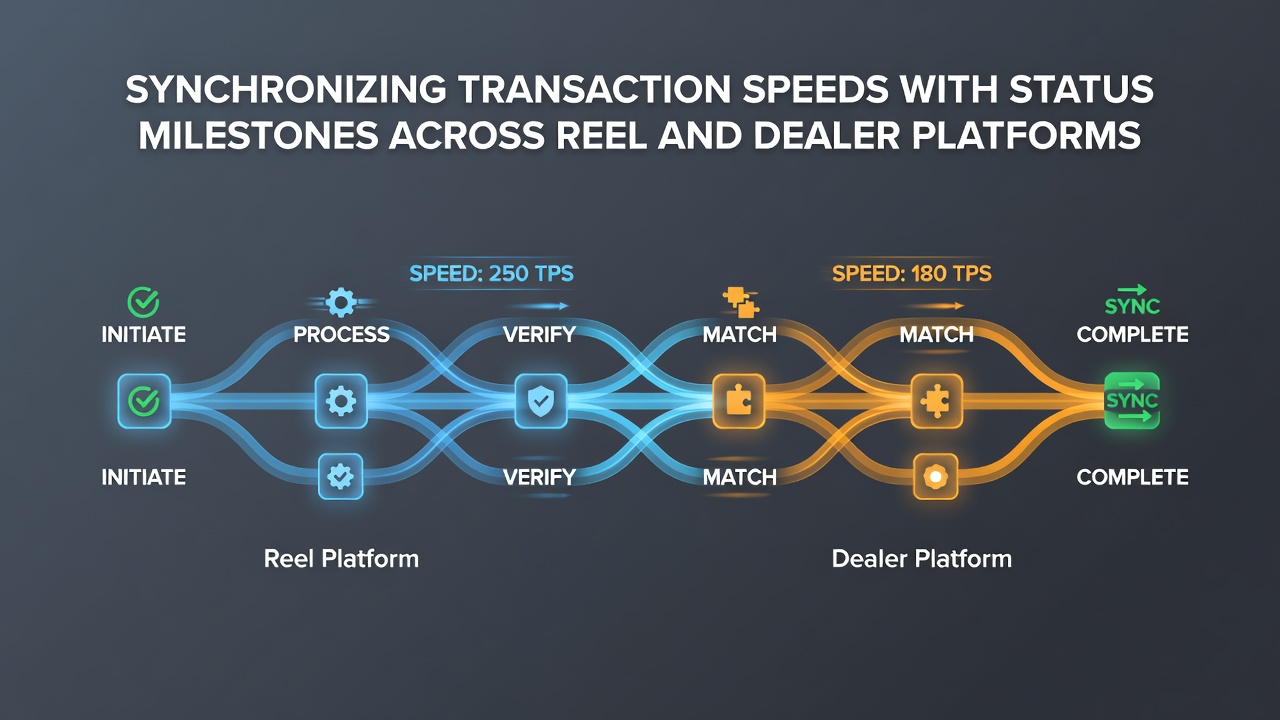
Platforms that manage both reel-based slots and live dealer tables have developed systems to align transaction speeds directly with player status milestones, and data from industry reports shows this integration affects deposit confirmation times, withdrawal processing, and bet settlement rates. Research indicates that when a player reaches a new loyalty tier, automated protocols adjust the velocity of financial operations so that higher-status accounts experience reduced latency across both game types. According to figures from the Malta Gaming Authority, synchronized frameworks have appeared in multiple jurisdictions by August 2026, where operators link backend ledgers to real-time status trackers.
Mechanics of Transaction Alignment in Reel Platforms
Reel platforms rely on random number generators and progressive jackpot pools that update continuously, and operators connect these systems to payment gateways so that milestone achievements trigger faster fund movements. A player advancing from basic to mid-tier status, for instance, sees deposit approvals shift from standard verification queues to expedited channels, while withdrawal requests receive priority routing. Studies from the International Gaming Institute at the University of Nevada, Las Vegas, reveal that these adjustments maintain consistency even during peak traffic periods, preventing bottlenecks that once separated slot sessions from account management tasks.
Integration Patterns Across Live Dealer Environments
Live dealer tables introduce additional variables because real-time video streams and physical chip handling require separate synchronization layers, yet operators now embed status-based rules into the same ledger architecture used for reels. When a milestone is reached, the platform recalibrates latency tolerances so that table bets settle and dealer interactions proceed without the delays previously common at lower tiers. Observers note that this produces a unified experience where a player moving between slot reels and blackjack tables encounters identical processing speeds tied to their current loyalty level, and data collected through August 2026 demonstrates measurable reductions in cross-platform friction.
Technical Frameworks Supporting Cross-Platform Consistency
Developers employ API bridges that connect loyalty databases to transaction processors, allowing status changes to propagate instantly to both reel engines and dealer management systems. These bridges monitor contribution percentages from wagers and adjust queue priorities accordingly, ensuring that milestone thresholds activate new speed parameters without manual intervention. Research published by the European Gaming and Betting Association indicates that such architectures rely on event-driven triggers rather than batch processing, which keeps transaction velocities matched to status updates across thousands of simultaneous sessions.
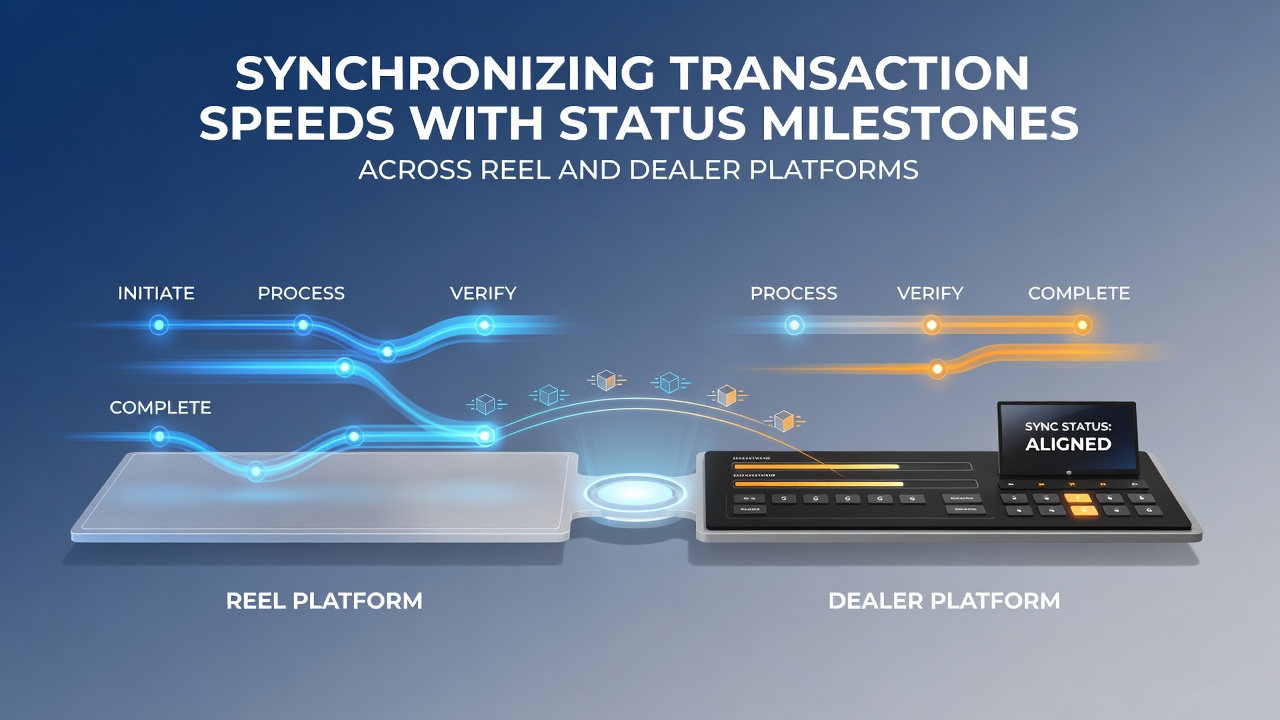
Security protocols remain embedded within these frameworks, and regulatory requirements from bodies such as the New Jersey Division of Gaming Enforcement mandate audit trails that log every status-triggered speed adjustment. This documentation supports compliance checks while preserving the operational flow between reel and dealer environments.
Observed Outcomes in Multi-Platform Operations
Operators report that coordinated timing reduces player drop-off rates at status boundaries, because the transition from one tier to the next no longer interrupts ongoing gameplay sequences. Figures compiled through mid-2026 show increased session continuity when deposit and withdrawal speeds scale automatically with milestone achievements. Those who have examined operational logs across multiple sites note that reel-to-dealer handoffs become smoother once transaction parameters align with loyalty data, and the same alignment applies in reverse when players return to slots after table play.
Conclusion
Systems that synchronize transaction speeds with status milestones have become standard components of combined reel and dealer platforms by August 2026. These frameworks connect loyalty tracking directly to payment infrastructure, producing consistent processing rates regardless of game format. Evidence from regulatory and academic sources continues to document the technical and operational patterns that enable this coordination across expanding digital gaming environments.